Estimated reading time: 9 minutes
Key Takeaways
- Study in Russia without IELTS is standard: most Russian universities admit Pakistani students on FSc or a bachelor’s degree and a passport, with no English test and usually no entrance exam.
- The catch is Russian. Most instruction outside designated international tracks is in Russian, and even English-medium medical programs move into Russian for clinical years.
- Russia’s answer is the preparatory faculty: a year of Russian and subject vocabulary before the degree, funded for Open Doors and quota winners in Russian-taught programs, paid for self-funded students.
- Scholarship winners must show documentary proof of proficiency in the chosen language of instruction at enrolment; the university assesses it.
- Medical students: PM&DC requires six months of local-language study before departure where instruction is not in English, and the NRE on return is in English.
- The visa needs no English test either, but the consular officer may interview you; being able to explain your plan helps.
Table of Contents
- What “no IELTS” means in Russia
- How admission works without a test
- English-taught programs that exist
- The language you will actually use
- The preparatory faculty year
- Scholarships and language proof
- Medical students and PMDC
- The visa and English
- When an English certificate still helps
- A realistic plan
- FAQ
- Bottom line
Study in Russia without IELTS is one of the corridor’s genuine advantages and one of its most misunderstood. Admission really is test-free: universities take FSc or a bachelor’s transcript and a passport, and admission letters can arrive within days, per MBBS Abroad PK. What that does not tell you is which language you will be taught, examined and treated in once you arrive. This guide fills that gap.
For the broader picture of English-test-free destinations, see our study abroad without IELTS guide.
What “no IELTS” means in Russia
It means the admissions office does not require an English proficiency score. It does not mean the program is in English, that the hospital speaks English, or that a scholarship will place you in an English-medium program. Pakistani-facing guides are explicit that a language barrier is common because most instruction outside specifically designated international programs is in Russian, per VisaFromPakistan.
How admission works without a test
- Submit matric, FSc (or bachelor’s and transcript for master’s), passport copy and photos to the university or its authorised office.
- Receive an admission letter, often within days, per MBBS Abroad PK.
- The university requests a Ministry of Interior invitation; consultants quote about USD 360 plus courier, per the same source.
- Apply in person at the Islamabad embassy or Karachi consulate with the full document list, per the Karachi consulate.
No IELTS, TOEFL or entrance exam appears anywhere in that sequence at most universities, per Universities Page.
English-taught programs that exist
Many Russian universities offer English-medium tracks, particularly in medicine, engineering and management for international cohorts, per StudyAbroad.pk. Ask for the medium of instruction for each year in writing. A program described as English-medium may be English for pre-clinical years and Russian for wards, or English for lectures and Russian for practicals. Open Doors winners choosing a language of instruction should note that English-taught quota places are fewer than Russian-taught ones, per the rules.
The language you will actually use
- Hospitals: Russian, with patients who speak nothing else.
- Dean’s office, migration service, police checks: Russian.
- Hostel, shops, transport: Russian.
- Lectures: English on an English track; Russian otherwise.
Learning basic Russian is recommended even on English programs, per StudyAbroad.pk. Our Russian language guide sets targets: A2 before departure, B1 by the end of year one, B2 before clinical rotations.
The preparatory faculty year
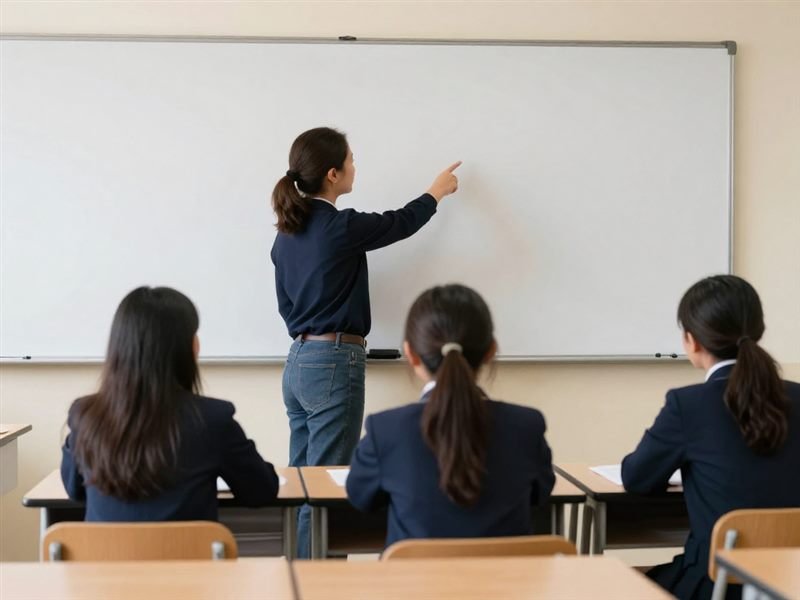
Russian universities run a preparatory faculty that teaches Russian and subject vocabulary for a year before degree entry, adding a year to the program, per StudyAbroad.pk. Open Doors winners in Russian-taught programs are entitled to it funded from the federal budget, with a guaranteed degree place on reaching the required level, per the rules. Self-funded students pay tuition and a year of living costs. It is the formal answer to “no IELTS”: the test is replaced by a year of the language you actually need.
Scholarships and language proof
Open Doors winners have priority in program selection subject to documentary evidence of proficiency in the chosen language of instruction, confirmed or assessed by the admitting university at enrolment; government grant support under Resolution 1837 requires full-time study in Russian, per the rules. The direct quota through education-in-russia.com works similarly. “No IELTS” does not exempt a scholarship winner from proving Russian or English at the university’s door. See our Open Doors guide and scholarship guide.
Medical students and PMDC
PM&DC’s policy requires a minimum of six months learning the local language before proceeding abroad where the medium of instruction is not English, and makes non-compliant graduates ineligible for the NRE, per the policy. Keep dated certificates from a Russian course. The NRE itself is 200 MCQs and a 20-station clinical exam in English at a 60% bar, per PM&DC’s standard, so a Pakistani medical student in Russia needs both languages at a professional level. See our MBBS in Russia guide.
The visa and English
The Russian student visa file has no language test. The document list is invitation, form, passport, photos, attested and Russian-translated certificates, HIV and medical certificates, police certificate, bank statement, sponsor affidavit and insurance, per the Karachi consulate. The officer may interview you; a student who can explain the university, program, city and funding presents better. See our visa guide.

When an English certificate still helps
- To secure an English-taught quota place where the university asks for proof.
- For a medium-of-instruction letter’s weaker cousin: an IELTS score removes doubt when your college was Urdu-medium.
- For PLAB, OET or a second-country application later.
A realistic plan
- Choose the program and get the medium of instruction for each year in writing.
- Start Russian six months before departure; Russian House Karachi runs courses and is also the quota nominating body, per Pakistan Today.
- Medical students: register at srf.pmdc.pk and keep the language certificates for PM&DC.
- If your program is Russian-taught, budget the preparatory year unless a scholarship funds it.
- On arrival, treat the university’s Russian classes as core, not optional.
FAQ
Is IELTS required to study in Russia?
No, at most universities; admission is on FSc or a degree and passport, per Universities Page.
Can I study fully in English?
Some tracks, yes; clinical medicine and daily life run in Russian regardless.
Is the preparatory year compulsory?
For Russian-taught programs, effectively yes; funded for scholarship winners, per the Open Doors rules.
Does PMDC care about Russian?
Yes; six months of local-language study before departure is required where instruction is not in English.
Bottom line
Study in Russia without IELTS is true at the admissions desk and misleading everywhere else. The test you skip is replaced by the Russian you must learn, formalised in a preparatory year for Russian-taught programs and in PM&DC’s six-month rule for medical students. Choose the program for its recognition and medium of instruction, start Russian before you fly, and treat the absence of IELTS as a convenience rather than a reason.