
Estimated reading time: 10 minutes
Key Takeaways
- Document attestation for study abroad from Pakistan follows a fixed chain: the issuing verifier first (IBCC for matric and FSc, HEC for degrees, NADRA or the union council for personal documents), then the Ministry of Foreign Affairs (MOFA), then either an apostille or the destination embassy.
- Pakistan acceded to the Hague Apostille Convention on 9 March 2023. Russia, Kazakhstan, Kyrgyzstan, Uzbekistan and Azerbaijan are all Convention members, so a MOFA apostille replaces embassy legalisation for most study documents in this corridor.
- MOFA will not touch a degree or certificate that has not first been verified by HEC or IBCC. That is the single most common reason files bounce.
- MOFA apostille appointments are booked online at apostille.mofa.gov.pk; walk-ins without an appointment are not accepted. Authorised couriers (TCS, Gerry’s, Leopards, M&P) can submit on your behalf.
- Russian missions additionally want academic documents translated into Russian; Central Asian universities often want notarised translations too.
- Do not laminate anything; stamps will not adhere to plastic.
Table of Contents
- Why attestation exists
- The chain, in order
- Step 1: IBCC for matric and FSc
- Step 1: HEC for degrees
- Step 2: MOFA attestation or apostille
- Apostille vs embassy legalisation
- Country by country: what the missions want
- Translations
- Personal documents
- Timelines and fees
- Common mistakes
- A checklist by document
- FAQ
- Bottom line
Document attestation for study abroad from Pakistan is the least glamorous part of the process and the one that most often delays a visa. Every mission in the Russia and Central Asia corridor wants Pakistani certificates to carry official stamps proving they are genuine, and each stamp can only be applied after the one before it. This guide sets out the chain, the 2023 change that simplified it, and what each destination actually asks for.
Read it before you book a visa appointment, because the Russian missions, for example, require certificates attested by the Ministry of Education and MOFA and translated into Russian, per the Karachi consulate, and a missing stamp is a returned file.
Why attestation exists
Attestation is the official process of having government authorities verify that documents are genuine, per Wego. Foreign universities and consulates cannot check a Lahore board certificate themselves; they rely on Pakistani authorities to do it and on an internationally recognised stamp to prove it was done.
The chain, in order
- Issuing verifier: IBCC for matric and intermediate; HEC for degrees and transcripts; NADRA, the union council or the relevant board for birth, marriage and police documents.
- MOFA: the Ministry of Foreign Affairs attests or apostilles only after step 1; MOFA does not attest a document directly, per Future Rozgar.
- Destination: for Apostille Convention countries, the MOFA apostille is the final step; for others, the destination embassy in Islamabad adds its stamp.
Step 1: IBCC for matric and FSc
Matric and intermediate certificates must be attested by the Inter Board Committee of Chairmen before MOFA, per HCM Global. Bring originals; IBCC verifies with the issuing board. For students with O and A levels, IBCC issues the equivalence certificate first and attests that. Consultants advise against laminating certificates because stamps will not adhere, per ScholarBee.
Step 1: HEC for degrees
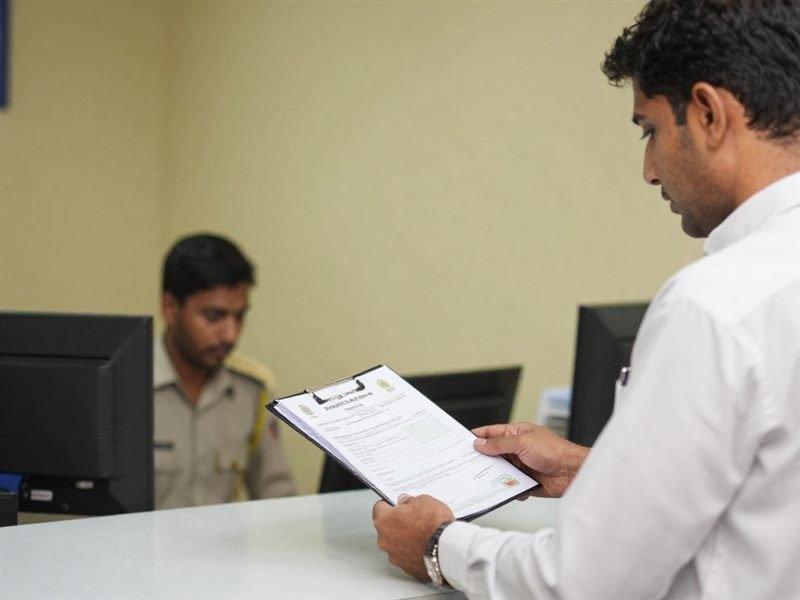
University degrees and transcripts are attested by HEC through its e-services portal, with walk-in and courier options; fees are around PKR 1,000 per original and PKR 700 per copy, with an urgent surcharge, per ScholarBee. HEC attests only degrees from recognised Pakistani institutions; foreign degrees go through equivalence instead, per HEC’s attestation page. Master’s applicants to Russia, Kazakhstan or Azerbaijan need this for their bachelor’s degree and transcript.
Step 2: MOFA attestation or apostille
MOFA verifies documents that already carry the HEC or IBCC stamp. Since the launch of its online service, applicants book an appointment at apostille.mofa.gov.pk, upload documents and generate a challan; no walk-in is entertained without an appointment, per HCM Global. MOFA also processes documents through five authorised courier companies, including Gerry’s, Leopards, M&P and TCS, so you need not travel to a MOFA office, per Wego. General documents are processed in about two hours at MOFA offices, per the same source.
Apostille vs embassy legalisation
Pakistan acceded to the Hague Apostille Convention on 9 March 2023, which simplified legalisation for signatory countries, per Wego. An apostille is a single certificate issued by MOFA that Convention members accept without a further embassy stamp, per Identity Services. Russia, Kazakhstan, Kyrgyzstan, Uzbekistan and Azerbaijan are all parties to the Convention, so for study documents in this corridor an apostilled certificate is the standard. Some institutions still ask for traditional attestation plus embassy legalisation; confirm with the university and the mission, per Future Rozgar.
Country by country: what the missions want
- Russia: academic certificates attested by the Ministry of Education and MOFA and translated into Russian, with copies attached, per the Karachi consulate. In practice that means IBCC or HEC, then MOFA apostille, then a certified Russian translation. See our Russia visa guide.
- Kazakhstan: attested matric and FSc certificates with notarised translations at some universities, per CC Consultings; foreign founders’ corporate documents must be apostilled or legalised, per FCHAIN.
- Uzbekistan and Kyrgyzstan: universities request attested certificates; the visa is invitation-driven, so the university tells you what it needs. See our Uzbekistan visa guide.
- Azerbaijan: foreign documents must be translated into Azerbaijani and notarised, and apostilled or legalised where required, per Caspian Legal Center; the government grant asks for notarised documents in PDF, per the official call.
Translations
Attest first, translate second: the translator should translate the attested document including its stamps. Russian missions want Russian translations; Azerbaijani authorities want Azerbaijani; Kazakh and Uzbek universities commonly accept Russian. Use a recognised translation agency and, where a university asks, have the translation notarised. Keep the attested original, the translation and a copy of each together.
Personal documents
Birth certificates, marriage certificates, police character certificates and affidavits can be attested directly by MOFA once issued by the relevant department, per Vital Attestation. Russian missions require an original police certificate with the issuing authority’s contact number and a lawyer-attested sponsor affidavit, per the consular issues page. Business applicants to Kazakhstan need a certificate of no ban on running a business, per WPK.

Timelines and fees
- IBCC: a few days to two weeks depending on office and board verification.
- HEC: online scrutiny in 3–5 days plus courier time, about 12 working days in total, per Adalat Online; fees around PKR 1,000 per original.
- MOFA: government fee reported at around PKR 3,000 per document, to be confirmed on mofa.gov.pk, per HCM Global; same day or within a couple of working days at the office, per Future Rozgar.
- Agency packages: private services quote much higher all-in figures for handling and urgency; itemise before paying.
Plan four to six weeks for the full chain plus translations if you are doing it yourself.
Common mistakes
- Submitting to MOFA before HEC or IBCC; the most common rejection, per Future Rozgar.
- Laminated certificates.
- Translating before attesting, so the stamps are missing from the translation.
- Name spelling differing between passport, CNIC and certificates.
- Attesting only the degree and not the transcript.
- Assuming an embassy stamp is still needed when an apostille suffices, or the reverse.
A checklist by document
- Matric certificate: IBCC, MOFA apostille, translation.
- FSc certificate and marks sheet: IBCC, MOFA apostille, translation.
- Bachelor’s degree and transcript (for master’s applicants): HEC, MOFA apostille, translation.
- Police character certificate: issuing authority, MOFA where the mission requires.
- Birth certificate (if requested): NADRA or union council, MOFA.
- Sponsor affidavit: lawyer-attested per the Russian consulate’s instructions.
- Medical and HIV certificates: from approved labs; not attested by MOFA.
- PM&DC Student Registration Certificate (medical students): downloaded from srf.pmdc.pk; not attested, but kept with the file.
FAQ
Does Russia accept a Pakistani apostille?
Russia is a Hague Convention member and Pakistan joined in March 2023; the missions still list Ministry of Education and MOFA attestation with Russian translation, per the Karachi consulate, which an apostille satisfies in practice. Confirm with the mission.
Can MOFA attest my degree without HEC?
No; HEC or IBCC verification must come first.
Can someone else submit for me?
Yes, through authorised couriers or a blood relative with an authority letter, per Future Rozgar.
How long does the whole chain take?
Four to six weeks including translations if self-managed.
Bottom line
Document attestation for study abroad from Pakistan is a sequence, not a single stamp: IBCC or HEC, then MOFA, then apostille for the Convention countries that make up the whole Russia and Central Asia corridor, then translation. Book the MOFA appointment at apostille.mofa.gov.pk, never laminate, translate after attesting, and start six weeks before the visa appointment.