
Estimated reading time: 12 minutes
Key Takeaways
- Business ideas in Kazakhstan for Pakistani investors cluster around three advantages: EAEU access to Russia and the union from the largest Central Asian economy, a large Pakistani student cohort in Karaganda, Semey, Almaty and Astana, and two special regimes, the AIFC and Astana Hub, that exempt qualifying financial and tech businesses from most tax.
- Lowest capital, fastest start: rice, textile and leather import and distribution into the EAEU; halal food and restaurants; education and student services; freight forwarding on the China–Central Asia–Pakistan routes.
- Higher capital, higher barrier: pharmaceutical registration and distribution; textile finishing or garment assembly for the EAEU; agri-processing of Kazakh wheat and meat for Pakistani and Gulf markets.
- Regulated and specialist: AIFC fintech, Islamic finance and professional services; Astana Hub software and IT outsourcing.
- Every idea runs into the same gates: the C5 founder visa, the 2026 Tax Code with 16% VAT and a deduction penalty on simplified-regime suppliers, and secondary-sanctions scrutiny on anything touching Russia.
Table of Contents
- What Kazakhstan offers a Pakistani investor
- How the ideas are ranked
- 1. Rice import and EAEU distribution
- 2. Textiles, garments and leather
- 3. Halal food and Pakistani restaurants
- 4. Education consultancy and student services
- 5. Freight forwarding and logistics
- 6. Surgical instruments and medical supplies
- 7. Pharmaceutical registration and distribution
- 8. Agri-processing and export to Pakistan
- 9. Garment assembly for the EAEU
- 10. AIFC fintech and Islamic finance
- 11. Astana Hub IT and software
- 12. Hospitality and medical-tourism support
- The gates every idea passes through
- A starting plan
- FAQ
- Bottom line
Business ideas in Kazakhstan for Pakistani investors are shaped by what Kazakhstan is: the largest and most developed economy in Central Asia, an EAEU member with customs-union access to Russia, home to thousands of Pakistani medical students, and the host of two special regimes that turn financial and tech businesses nearly tax-free. This guide sets out twelve ideas that fit those facts, ranked by capital, leverage and friction, and the gates, visa, tax and sanctions, that every one of them passes through.
It is general commercial information, not investment advice; margins and rules change, and a Kazakh lawyer, accountant and market study should precede any commitment. Read it with our Kazakhstan business setup guide and tax guide.
What Kazakhstan offers a Pakistani investor
- EAEU access: goods cleared into Kazakhstan move to Russia, Kyrgyzstan, Belarus and Armenia without further duty; imports from the EAEU bear 16% VAT from 2026, per PwC.
- A 20-million market with the region’s highest incomes, and Almaty and Astana as consumer hubs.
- Pakistani students in Karaganda, Semey, Almaty, Astana and Shymkent, per our study guide.
- AIFC exemptions on CIT, VAT and certain personal taxes for qualifying activities until 2066, per TaxRatesByCountry; Astana Hub tax exemptions for tech residents.
- Normal SWIFT banking and direct or one-stop flights to Almaty.
How the ideas are ranked
Each idea is scored on starting capital, how much it uses Kazakhstan’s EAEU or special-regime leverage, and regulatory friction. Low-capital, high-leverage, low-friction ideas come first; regulated and capital-heavy ideas last. The order is a guide, not a verdict; a Pakistani pharma group will find idea seven easier than idea one.
1. Rice import and EAEU distribution
Pakistani basmati and non-basmati rice sell across Kazakhstan and Russia; an LLP imports in bulk, clears customs once, and distributes to Kazakh wholesalers and Russian buyers under EAEU rules. Capital: USD 50,000–150,000 for stock and warehousing. Leverage: high. Friction: import VAT at 16%, e-invoicing, and sanctions screening of Russian buyers; see our Russia trade guide.
2. Textiles, garments and leather
Home textiles, denim, knitwear, leather goods and footwear from Faisalabad, Karachi and Sialkot into Kazakh retail and EAEU wholesale, where Western brands have thinned. Capital: USD 30,000–100,000. Leverage: high. Friction: EAEU certification (EAC marking) for garments, and the deduction penalty if you sell to general-regime buyers from a simplified-regime LLP, per Baker McKenzie.
3. Halal food and Pakistani restaurants
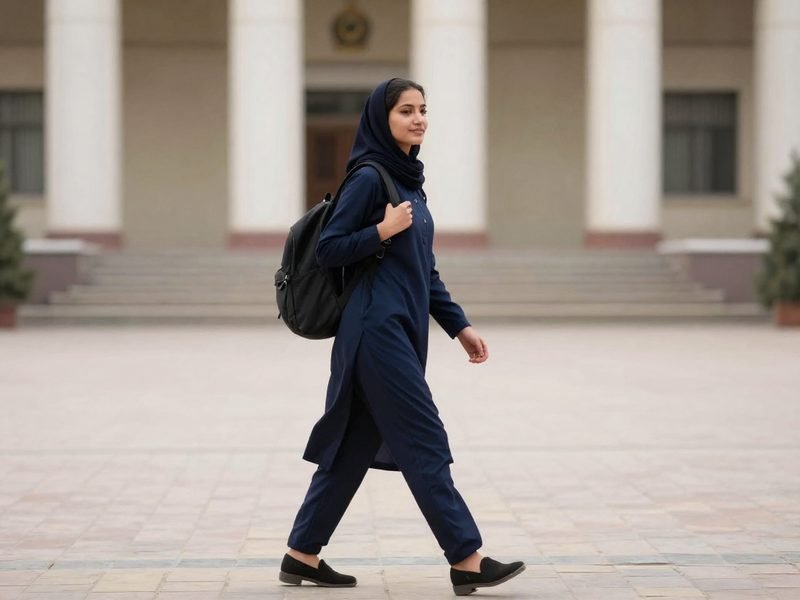
Restaurants, catering and packaged Pakistani food in Almaty, Astana, Karaganda and Semey serve the student cohort and a Muslim-majority public with growing appetite for South Asian cuisine. Capital: USD 30,000–120,000 per outlet. Leverage: medium. Friction: low; local hygiene licensing, local staff ratio for work permits, per our work permit guide.
4. Education consultancy and student services
Admissions consultancy that tells the truth about PM&DC rules, plus arrival services, hostels, messes, insurance, NRE preparation and travel for the Pakistani cohort. Capital: USD 10,000–50,000. Leverage: medium. Friction: low, but reputational; the market is full of the scams described in our consultant guide, and a compliant operator stands out.
5. Freight forwarding and logistics
Forwarding on the China–Kazakhstan–Pakistan and Kazakhstan–Russia routes, customs brokerage at the EAEU border, and warehousing in Almaty. Capital: USD 50,000–200,000. Leverage: high. Friction: licensing for brokerage, and the traced-goods e-invoicing regime shared across the EAEU, per PwC.
6. Surgical instruments and medical supplies
Sialkot instruments and Pakistani disposables into Kazakh hospitals, clinics and the medical universities. Capital: USD 30,000–100,000. Leverage: medium-high. Friction: medical device registration and tenders; medicines and medical devices carry 5% VAT from 2026, per PwC.
7. Pharmaceutical registration and distribution
Registering Pakistani generics with Kazakhstan’s regulator and, through EAEU mutual recognition, across the union. Capital: USD 200,000–1 million including registration dossiers and cold-chain logistics. Leverage: very high. Friction: high; long registration timelines, GMP inspections, and tender-driven sales. Suits an established Pakistani manufacturer.
8. Agri-processing and export to Pakistan
Kazakh wheat, flour, meat and oilseeds processed and exported to Pakistan and the Gulf; Kazakh cereal exports to Pakistan were modest at USD 11.9 million in 2024, per Trading Economics, leaving room. Capital: USD 200,000 and up. Leverage: medium. Friction: logistics through Afghanistan or Iran and sanitary approvals in Pakistan; see our transit discussion.
9. Garment assembly for the EAEU
Cut-make-trim assembly in Kazakhstan of Pakistani fabric for the Russian and Kazakh markets, earning EAEU origin. Capital: USD 300,000 and up. Leverage: very high. Friction: labour, local-staff ratio, and rules-of-origin thresholds. A textile group’s play, not an SME’s.
10. AIFC fintech and Islamic finance
Payments, remittances, Islamic finance products, fund management and professional services registered in the Astana International Financial Centre under English-law rules with tax exemptions to 2066. Capital: USD 100,000 and up plus regulatory capital where licensed. Leverage: very high. Friction: AFSA licensing and substance requirements. See our AIFC guide.

11. Astana Hub IT and software
Software development, outsourcing and SaaS as an Astana Hub resident with tax exemptions, serving Kazakh, EAEU and Gulf clients. Capital: USD 30,000–150,000. Leverage: high. Friction: the C5 founder visa and work permits for Pakistani staff; compare Uzbekistan’s IT Park in our IT Park guide, which many Pakistani tech founders find simpler.
12. Hospitality and medical-tourism support
Guesthouses, serviced apartments and patient-support services for Pakistani families visiting students or seeking treatment, in Almaty and the medical cities. Capital: USD 50,000–300,000. Leverage: medium. Friction: property and licensing.
The gates every idea passes through
- The C5 visa: a foreign founder must hold it to found an LLP, per KD Legal; see our visa guide.
- The 2026 Tax Code: 16% VAT above a halved threshold, no deduction for payments to simplified-regime suppliers, 44 activities barred from the simplified regime, per Schneider Group; see our tax guide.
- Work permits and the local-staff ratio for any Pakistani staff on the ground.
- Sanctions: screen every Russian counterparty; keep out of dual-use goods.
- Banking: enhanced due diligence for foreign-owned LLPs; prepare source of funds.
A starting plan
- Pick one idea matched to your capital and existing business in Pakistan.
- Visit on a B-series visa; test demand with distributors or customers; see our visa guide.
- Decide remote management through a local director or relocation on C5, TRP and work permit.
- Register the LLP; choose the tax regime by who your customers are.
- Open the bank account; set up e-invoicing.
- Start small, prove the channel, then scale into the EAEU.
FAQ
What is the easiest business for a Pakistani to start in Kazakhstan?
Rice, textile or leather distribution, halal food, or student services; low capital and low friction.
Which ideas use Kazakhstan’s advantages most?
EAEU distribution and garment assembly, AIFC fintech, and pharma registration with union-wide recognition.
What is the biggest obstacle?
The C5 founder visa, followed by the 2026 tax code’s VAT and deduction rules.
Kazakhstan or Uzbekistan?
Kazakhstan for EAEU and AIFC; Uzbekistan for lower tax and IT Park; see our best country guide.
Bottom line
Business ideas in Kazakhstan for Pakistani investors start with what Pakistan already exports, rice, textiles, leather, surgical goods and food, routed into the EAEU from Almaty, add services for the Pakistani student cohort, and rise to pharma registration, garment assembly, AIFC finance and Astana Hub tech for those with capital and patience. Every idea passes the C5 visa, the 2026 tax code and sanctions screening; plan those gates first and the market is large.